
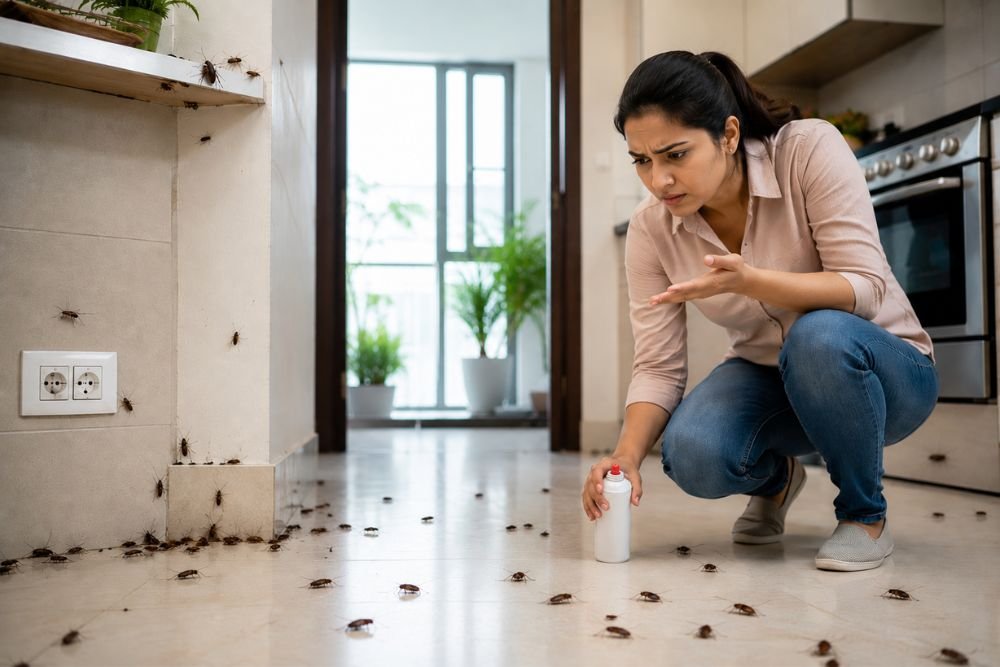
Bugs can quickly become a recurring problem in homes if the root cause is not properly addressed. Many homeowners continue to notice pest activity even after trying different control methods. Preventing a recurring bug infestation requires more than just a one-time solution. Understanding why bugs keep returning is essential to creating a comprehensive pest management plan that works. In this article, you’ll discover common offenders in indoor bug problems, mistakes often made in pest control efforts, and strategies to fortify your home effectively against these unwelcome visitors.
Signs of a Recurring Bug Infestation
Identifying the early signs of a recurring pest infestation can help prevent bigger problems in your home. Spotting these signs involves more than just seeing live bugs; it requires you to be alert to various telltale indicators.
Firstly, pay attention to droppings. Droppings found in dark or hidden areas often indicate ongoing pest activity. Similarly, shed skins or exoskeletons, particularly around baseboards or in lesser-used areas, point to ongoing bug life cycles within your home.
Another sign is the presence of strange odours. Many insects emit distinct smells that become noticeable with a substantial infestation. If you catch the whiff of a musty or oily odour, it may be time for a closer inspection.
Finally, keep an eye out for structural damage on walls or furniture, which might suggest the presence of termites or wood-boring insects. Swift action is necessary to tackle any of these signs to prevent further proliferation.
Hidden Entry Points That Let Bugs In
Bugs don’t appear by magic; they have to find their way into your home. Identifying and sealing these entry points is important for preventing recurring pest problems.
Check for cracks in walls and foundations. Even small openings can allow pests like ants and cockroaches inside. Seal these cracks with proper materials such as silicone-based caulk to secure your perimeter against entry attempts.
Doors and windows are also common spots for bug intrusion. Ensure that all screens are intact without tears, and utilize weather stripping to fill gaps under doors. This not only helps with pest control but also improves energy efficiency.
Vents and chimneys can also allow pests indoors. Installing fine mesh covers over these outlets allows air circulation while keeping bugs out. Regular maintenance of your home’s structural integrity will significantly reduce the opportunities for bugs to enter.
How Weather Affects Indoor Bugs
The weather plays a significant role in the prevalence of indoor bugs. Understanding seasonal pest behavior can help prevent infestations.
During warmer months, many insects become more active. They reproduce more quickly and seek food and water indoors to sustain their growing populations. Keeping food sealed and kitchens clean is especially important during this period.
Cold weather, on the other hand, may drive pests indoors seeking warmth and shelter. It’s not uncommon to face infestations of rodents and insects like spiders during winter. Sealing entry points becomes especially important during colder seasons.
High humidity levels may contribute to the attraction of moisture-loving pests like cockroaches and silverfish. Consider using dehumidifiers in damp areas like basements and bathrooms to make these spaces less hospitable to pests.
Common DIY Pest Control Mistakes
Attempting DIY solutions can be helpful initially, but common pest control mistakes often make infestations worse or allow pests to return.
A major error involves improper identification of the pest. Accurate identification is crucial for selecting the correct treatment. Using a control method suited for a different pest can be ineffective and prolong the infestation.
Another mistake is the inconsistent application of pest control measures. Skipping treatments, using too little or too much product, or failing to treat all affected areas can reduce the effectiveness of your efforts.
Using homemade remedies without proper research can also lead to disappointment. Some DIY methods may be unsafe or ineffective if used incorrectly.
- Incorrect Product Use: Always read labels and follow instructions to ensure safe and effective use.
- Ignoring Expert Advice: Sometimes a stubborn infestation requires professional intervention.
- Overusing Traps: Traps may help monitor pests but usually cannot eliminate infestations completely.
Creating a Comprehensive Pest Management Plan
A thorough pest management plan combines preventive measures, monitoring, and, if necessary, professional expertise to manage bug problems effectively.
Start by identifying the common pests in your area and around your home. Understanding their behavior will help in creating a targeted strategy.
Next, incorporate regular inspections into your home maintenance routine. Early detection can help prevent costly infestations later.
Combine chemical and non-chemical measures. While pesticides may be necessary for severe infestations, integrating barriers, traps, and environmental adjustments is key to sustainable control. Sanitation and exclusion techniques can dramatically reduce the risk of recurring infestations by removing attractants and access points.
Furthermore, always evaluate the effectiveness of each solution and adjust your strategies as needed. Pest control is an ongoing process, rather than a single action.
Choosing the Right Pest Control Service
If DIY efforts are not enough, choosing the right pest control service can make a significant difference. Choosing the right pest control company requires careful evaluation.
Start by researching the companies in your area. Look for licensing and certification to ensure the professionals are qualified to handle pest control safely and effectively.
Customer reviews and ratings can help assess service quality and reliability. A reliable service will have a track record of successful pest management and happy clients.
Consultation is another essential factor. A credible pest control company will conduct a thorough inspection and provide transparent feedback and estimates based on their findings.
- Comprehensive Treatments: Choose services that combine preventive and treatment methods.
- Follow-up Services: Choose companies that offer follow-up inspections to ensure issues are resolved.
- Guarantees and Warranties: Prefer services that provide guarantees and detailed aftercare advice for ongoing protection.
Recurring pest problems can be frustrating, but the right preventive measures and treatment methods can help keep your home pest-free. By recognizing infestation signs early, sealing entry points, avoiding common pest control mistakes, and following a proper pest management plan, you can significantly reduce indoor bug problems. Additionally, partnering with a reputable pest control service can enhance your efforts and provide peace of mind. Remember, proactive and informed measures are your best defense against these persistent pests.
Frequently Asked Questions
1. Why do bugs keep coming back even after treatment?
Bugs often return because the root cause of the infestation has not been fully addressed. Entry points, moisture issues, food sources, and hidden nesting areas can allow pests to survive and reappear.
2. What are the most common pest control mistakes homeowners make?
Some common pest control mistakes include improper pest identification, inconsistent treatment, overusing products, ignoring hidden infestation areas, and relying only on temporary DIY solutions.
3. How can I stop bugs from entering my home?
You can reduce bug entry by sealing cracks, repairing window screens, installing weather stripping, covering vents, and maintaining proper sanitation around your home.
4. Does weather affect indoor pest activity?
Yes. Warm weather increases bug activity and reproduction, while colder weather drives pests indoors seeking warmth and shelter. Humid conditions can also attract moisture-loving insects.
5. When should I call a professional pest control service?
You should contact a professional if infestations continue despite DIY efforts, if pests are spreading quickly, or if you notice structural damage, large colonies, or recurring bug problems.