
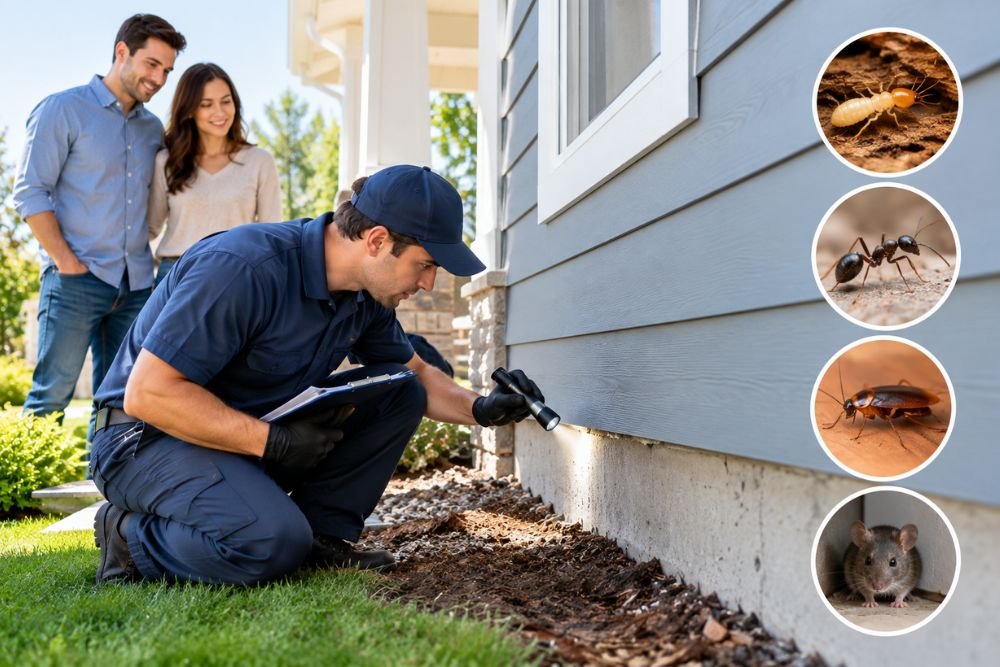
Stepping into a newly purchased home is an exhilarating experience. One issue that can easily be overlooked is a hidden pest infestation. You might think a new home, freshly built or recently renovated, is free of pests, but this is a common misconception. Pest issues might not be visible initially but can cause significant damage over time. Undertaking a comprehensive pest inspection before finalizing your purchase can save you from potential headaches, preserve your investment, and maintain peace of mind. Here’s why a pest inspection should be an essential step before moving into any new home.
Why New Homes Need Pest Inspections
It might seem unnecessary to consider pests when moving into a brand new or recently purchased home. However, pests do not discriminate based on the age or condition of the property. There are a few compelling reasons you should prioritize pest inspections:
- Construction-Related Pest Risks: Even during construction, a property can become highly inviting to pests. Openings in walls, ceilings, and floors offer easy access to rodents, insects, and other critters. This stage also often involves significant moisture, which can attract termites and other wood-destroying pests.
- Surrounding Environment: Consider the neighbourhood of your new home. Is it situated near wooded areas, water bodies, or farmlands? These environments can provide pests with food, water, and shelter, increasing the risk of infestation.
- Invisible Infestations: Not all pest problems are immediately visible. Many pests are nocturnal or can hide in places not easily visible during a casual inspection. A professional pest inspection ensures early detection before a minor issue becomes a major problem.
Given these factors, a new home pest evaluation becomes non-negotiable. It helps you understand the home’s condition beyond its structural and aesthetic appeal, ensuring it is genuinely a safe and sound investment.
Benefits of a New Home Pest Inspection
Pest inspections offer numerous benefits that go beyond simply identifying unwanted creatures. Here’s why incorporating one into your home-buying process is critical:
- Cost Savings: Investing in a pest inspection can save you money by identifying minor issues before they escalate. Pest damage can lead to costly repairs if left unchecked, particularly from termites, which can compromise a home’s structural integrity.
- Peace of Mind: Knowing that your new home is free of major pest threats provides peace of mind. You can rest assured that hidden pests will not disrupt your living environment or financial stability.
- Improved Resale Value: A pest-free home is more attractive to future buyers, ensuring a good return on investment. Having records of regular inspections gives potential buyers confidence in the property’s condition.
- Enhanced Living Environment: Pests can be carriers of diseases and allergens that affect health. Inspections help ensure your living space is safe for all household members.
These benefits demonstrate why pest inspections are a sound, forward-thinking investment. Rather than dealing with an infestation after it occurs, proactive measures lead to long-term gain.
Common Pests Found in New Homes
Understanding the types of pests that commonly afflict new homes is crucial. Common pests found during inspections include:
- Termites: Infamous for their ability to cause significant structural damage, termites are attracted to the wood elements often used in home construction. Early detection can prevent extensive damage.
- Rodents: Mice and rats can squeeze through small openings left during construction. Beyond damaging property by gnawing, they pose health risks by spreading diseases.
- Ants: These tiny insects can invade in large numbers. Some species, like carpenter ants, can damage wood structures, similar to termites.
- Spiders: While most spiders aren’t dangerous, they can still be unsettling and may be an indication of other pest issues, as they often prey on insects.
- Bed Bugs: These pests can unknowingly be brought in on personal items or furniture, causing discomfort and requiring intensive treatments.
How Pest Inspections Protect Your Investment
Your home is likely one of the largest financial investments you will make, and protecting it from pest-related damages should be a priority. Here’s how pest inspections serve as a safeguard:
- Comprehensive Assessments: Professional inspectors look for signs of all kinds of pest activity, examining both visible areas and those hard-to-reach spots where pests are likely to hide.
- Preventative Action: Early detection allows you to address potential issues before they become established infestations, saving you from costly repairs and devaluation.
- Documentation: Detailed reports provided after inspections offer a valuable reference. This documentation supports insurance claims if pest damage occurs, assisting in cost recovery.
By safeguarding your home from the outset with a pest inspection, you maintain the property’s integrity, ensure longevity, and protect its market value.
Why Early Pest Detection Saves Money
Overlooking the significance of early pest detection can lead to escalated costs and stress. Here’s why detecting pest issues early is financially prudent:
- Minor Repairs: Addressing pest problems early allows for simpler fixes before significant damage occurs, and these minor repairs are invariably less expensive than major structural restorations.
- Avoids Health Care Costs: Many pests, such as rodents and cockroaches, can aggravate asthma and allergies. Early pest management eliminates health risks, reducing potential medical expenses.
- Reduce Recurring Problems: Identifying the source of a pest problem early makes it easier to address the underlying cause and put preventive measures in place.
Recognizing and managing pest problems early with professional pest control can effectively fortify your home against costly damages and health hazards, reinforcing the wisdom of thorough inspections and vigilant maintenance.
Choosing a Professional Pest Control Service
When selecting a pest control service to conduct your new home pest evaluation, consider a few essential factors to ensure you choose a trusted professional:
- Credentials: Ensure the company’s technicians are certified and trained. Certifications from recognized pest control associations affirm the service’s commitment to quality and professionalism.
- Reputation: Research customer reviews and seek recommendations. A reputable service will have a solid track record of successfully dealing with pest infestations.
- Service Offerings: Look for a company that offers comprehensive pest solutions, including inspections, treatments, and preventative measures. Versatile service options suggest thorough industry knowledge and capability.
- Safety Measures: Inquire about the products and methods used. Professional services prioritize safe and environmentally friendly techniques, ensuring family and pet safety.
Engaging a credible pest control service ensures your new home’s pest inspection is thorough and efficient, laying the foundation for a pest-free living environment.
Conclusion
Buying a new home is an exciting milestone, but protecting it from hidden pest problems should also be a priority. New homes, although appealing, are not immune to the possibility of infestations. Recognizing the necessity of a pest inspection as part of the home-buying process will protect your property and ensure peace of mind. Early pest detection is cost-effective and essential to preserving both the structural integrity and market value of your home. By selecting a proficient pest control service, you can effectively preempt potential pest issues and enjoy your new abode with confidence. Make pest inspection a priority; it’s the keystone of a healthy, secure home environment.
Frequently Asked Questions
1. Is a pest inspection necessary for a new home?
Yes. Even newly built homes can have hidden pest problems caused by construction gaps, moisture, surrounding vegetation, or nearby pest activity. An inspection can identify potential issues before they become costly problems.
2. What pests are commonly found in new homes?
Common pests include termites, ants, rodents, spiders, cockroaches, and bed bugs. The types of pests found can vary depending on the property’s location, construction, and surroundings.
3. When should I get a pest inspection for a new home?
Ideally, schedule a pest inspection before moving into the property or finalizing a purchase. This gives you an opportunity to identify and address pest problems early.
4. How can a pest inspection save homeowners money?
A pest inspection can detect problems at an early stage, helping prevent extensive damage and expensive repairs. Early treatment can also reduce the risk of recurring infestations and associated costs.
5. How do I choose a pest control service for my new home?
Look for a qualified and experienced pest control company with trained technicians, positive customer reviews, appropriate treatment options, and a strong focus on safety. A professional service should also provide a clear inspection report and treatment recommendations when needed.