
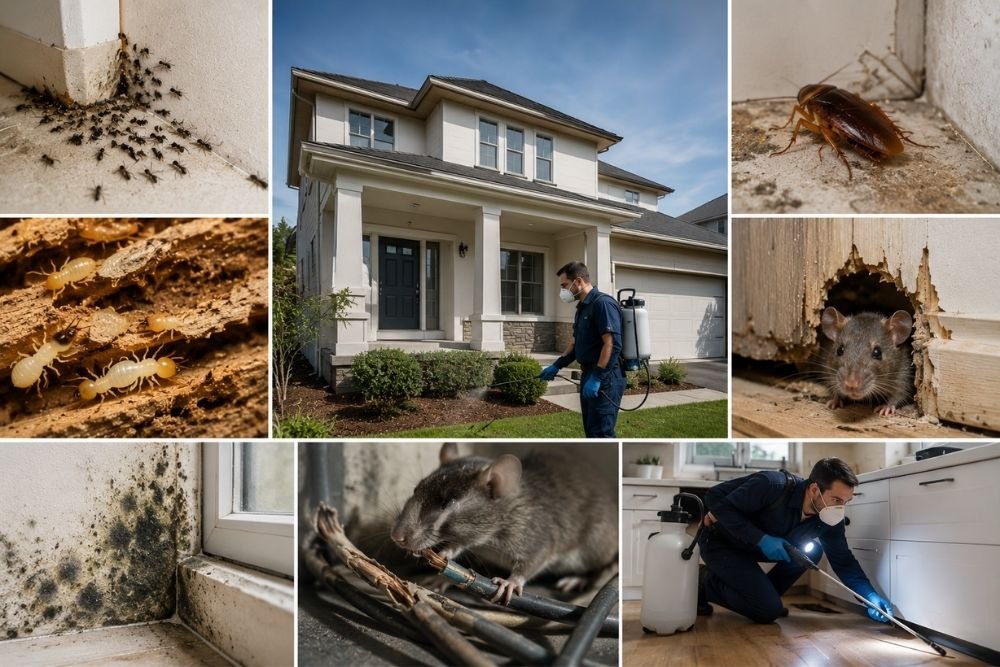
In the world of pest control, misinformation can be costly. Many well-intentioned homeowners fall for common misconceptions, leading to ineffective, and often expensive, pest management decisions. Despite your best efforts to protect your property, subscribing to these fallacies can lead you down the path of recurring infestations and escalating costs. This article debunks some of the most common pest control myths, helping you make informed decisions that protect your home, reduce unnecessary costs, and prevent serious pest infestations.
Introduction: Debunking Pest Control Myths
Pest control is an essential aspect of maintaining a healthy and comfortable living environment. However, navigating the array of advice can be challenging when bombarded with pest control misconceptions. From believing that pests are merely a symptom of dirty homes to assuming that city dwellers are safe from infestations, the myths about pest management are as diverse as they are misleading. Understanding the facts behind these common myths can help you choose effective pest control solutions and avoid costly mistakes.
The Impact of Believing Pest Myths
Falling prey to pest control falsehoods does more than just put a dent in your finances; it can have a significant impact on your home’s integrity and your family’s health. When misconceptions determine your pest management strategies, you risk implementing ineffective measures that allow infestations to flourish. Ineffective pest control can lead to structural damage, compromised electrical systems, and increased exposure to diseases carried by pests. The resultant damages not only inflate repair costs but also put the safety of your household at risk.
Additionally, by relying on myths rather than facts, you may inadvertently prolong the time it takes to effectively address infestations, allowing pests to multiply and wreak even greater havoc. Thus, understanding and dispelling common pest myths is not only essential for effective pest management but also critical in safeguarding your home and health.
Myth 1: Pests Only Invade Dirty Homes
A pervasive belief is that pests are exclusively drawn to unclean environments. While it is true that cluttered and unsanitary conditions can provide breeding grounds for pests, this myth oversimplifies the problem. Pests are primarily motivated by survival instincts—seeking food, water, and shelter. Therefore, even a spotlessly clean home can fall victim to an infestation if it offers these essential resources.
Consider that rodents can squeeze through surprisingly small openings, and insects can enter through cracks and crevices undetectable to the human eye. A perfectly maintained garden or wooden structure might still harbor termites, and mere proximity to nature can invite insects and rodent guests. Thus, while cleanliness can help deter pests, it is not an absolute safeguard. Comprehensive pest control requires a holistic approach, addressing entry points, harborage zones, and conducive conditions for pest survival, regardless of a home’s cleanliness.
Myth 2: DIY Pest Solutions Are Sufficient
The allure of do-it-yourself solutions is undeniable, especially for those who take pride in handling household issues personally. However, when it comes to pest control, DIY measures often provide temporary relief rather than long-term solutions. While countless products on the market promise to eradicate pests on your own, these solutions generally treat symptoms rather than the root cause of infestations.
For instance, over-the-counter sprays might kill visible pests but fail to address nest locations or prevent future invasions. What’s more, improper use of chemical treatments can lead to harmful exposures and unintended damage to household items. Engaging professional pest control services not only ensures targeted and effective treatment plans but also provides the expertise required to identify and address underlying issues that a DIY approach might miss.
Myth 3: Pets Can Keep Pests Away
It’s a common perception that the presence of household pets, such as cats or dogs, can deter or eliminate pests. While pets can assist in keeping certain pests like rodents at bay, they are not effective deterrents for a comprehensive range of pests. In fact, pets can inadvertently invite other types of infestations into your home.
Fleas, ticks, and certain types of parasitic worms can hitch a ride on your furry friends, turning your home into a breeding ground for these pests. Moreover, pets often cannot address pest problems existing in areas of your home that they cannot access, like attics, basements, or inside walls. Consequently, depending solely on your pets for pest control is both ineffective and risky, necessitating a more structured approach to pest management.
Myth 4: Pest Control Chemicals Are Harmful
Concerns regarding the toxicity of pest control chemicals are widespread and understandable, especially with the rise of environmental awareness and the preference for organic living. However, the modern pest control industry operates under stringent regulations to ensure that the chemicals used are both effective and safe for human exposure when applied correctly.
Professional pest control companies utilize products that target specific pests while minimizing risks to household occupants and the surrounding environment. Additionally, pest control experts are trained in using the appropriate amounts of chemicals, reducing the likelihood of harm. While it is always wise to discuss any concerns about chemical exposure with your pest control provider, avoiding chemical treatments entirely can lead to unchecked pest issues that can jeopardize health and safety even more.
Myth 5: One-Time Treatments Are Sufficient
You might be tempted to believe that a single pest treatment is all that’s necessary to eradicate any pest problem. Unfortunately, this is another costly misconception. Pests are persistent creatures, and singular treatments often fail to disrupt the life cycles or eliminate the breeding sources that sustain infestations.
Different pests require tailored approaches, which often include identifying potential reinfestation risks and implementing preventative measures. Regular inspections and treatments are crucial in ensuring continued protection and in adapting pest management strategies to new threats as they arise. Therefore, effective pest control is an ongoing process rather than a one-time fix, making a predetermined plan a more efficient and cost-effective approach.
Myth 6: Professional Services Are Too Expensive
Many people shy away from hiring professional pest control services under the mistaken belief that they are prohibitively expensive. However, when weighed against the potential costs of repairing extensive damage caused by unaddressed infestations, professional services can actually be a more economically sound option.
Professionals bring not only expertise and efficient solutions but also ongoing support and monitoring. By identifying and addressing pest issues early on, they help prevent the exponential costs of escalating infestations. Most pest control companies offer various packages and customizable solutions that align with different budgets, ensuring that professional help is accessible and feasible for a variety of needs and financial considerations.
Myth 7: People Living in Cities Don’t Need Pest Control
Urban residents often assume they are safe from pests due to the concrete nature of their surroundings. In reality, cities provide ample resources and nesting opportunities for pests, making pest control just as crucial for city dwellers as it is for those living in rural areas.
Urban settings often have denser populations, leading to a higher volume of waste and thus more food sources for pests. Buildings in cities are often in close proximity, allowing pests to travel easily from one area to another. The complex infrastructure of cities can also include various hiding spots for pests, such as in sewers, subways, and in the gaps between structures. Whether it’s cockroaches, rodents, or bedbugs, city living invites its own set of pest-related challenges, necessitating vigilant pest control measures.
Final Thoughts: Making Informed Pest Control Decisions
In combating pest issues effectively, understanding and dispelling prevalent myths is essential. Knowledge empowers you to implement effective pest control strategies and avoid costly mistakes. Rather than relying on outdated or inaccurate beliefs, prioritizing professional guidance and maintaining a proactive approach towards pest management can protect both your investment and your peace of mind.
By understanding the facts behind common pest control myths and taking timely action, you can protect your property, avoid costly repairs, and maintain a healthier, pest-free environment. With the right strategies and support, maintaining a home devoid of pests is an achievable and sustainable goal.
Frequently Asked Questions (FAQs)
1. Can a clean home still have a pest infestation?
Yes. Even clean homes can attract pests if they provide access to food, water, or shelter. Cracks, gaps, moisture, and nearby vegetation can allow pests such as termites, cockroaches, rodents, and ants to enter your home.
2. Are DIY pest control methods enough to eliminate an infestation?
DIY pest control products may provide temporary relief by reducing visible pests, but they often fail to eliminate hidden nests, breeding sites, and the root cause of the infestation. Professional pest control offers more comprehensive and long-lasting solutions.
3. Are professional pest control treatments safe for families and pets?
Modern pest control treatments are designed to be safe when applied by trained professionals according to recommended guidelines. Reputable pest control companies use approved products and provide instructions to help ensure the safety of people and pets.
4. Why do pest problems return after a single treatment?
Many pests have complex life cycles, hidden nests, and breeding areas that cannot always be eliminated in one visit. Follow-up inspections and treatments are often necessary to achieve complete pest control and prevent future infestations.
5. Is professional pest control worth the cost?
Yes. Professional pest control can help detect infestations early, prevent costly structural damage, and reduce the risk of recurring pest problems. Investing in timely pest management is often more affordable than paying for extensive repairs caused by untreated infestations.