
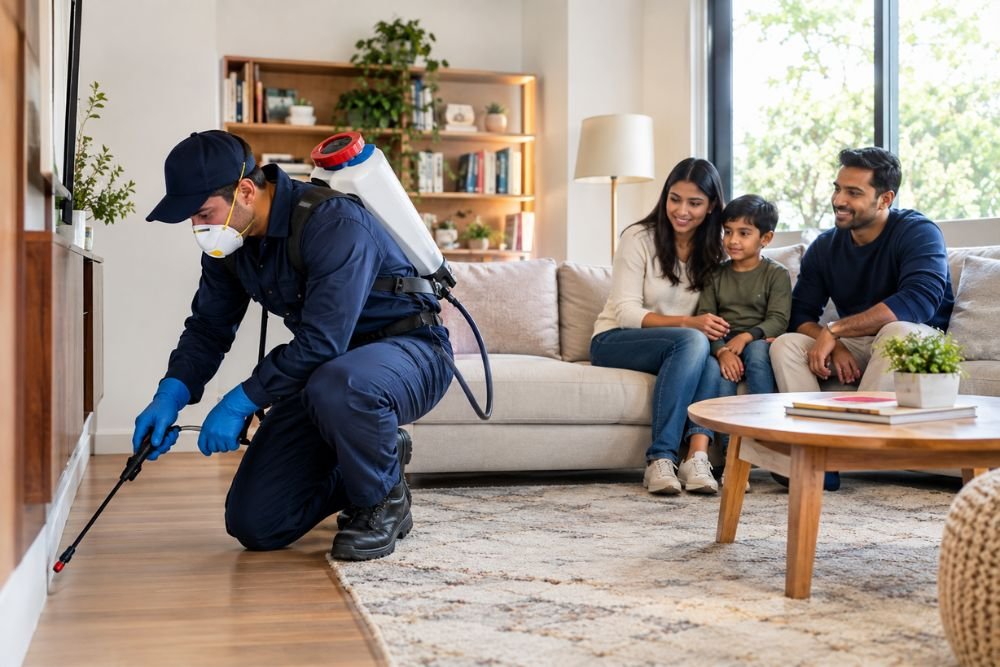
Your home should be your sanctuary, a place where your family feels safe and secure. However, hidden threats like pests can compromise this sense of safety. Pest infestations are more than just a nuisance; they pose significant health risks that can affect your family’s well-being. Professional pest control services provide an effective line of defence, helping keep your home safe and healthy. From diseases carried by rodents and insects to allergies triggered by their presence, understanding how pest control protects your family’s health is essential.
Health Risks of Pest Infestations
Pests can bring many health risks into your home. Their ability to invade living spaces and survive in various conditions makes them persistent hazards. Pest infestations can cause various diseases and allergic reactions, some of which may be severe. This makes it crucial to address any signs of infestation promptly.
For example, pests like rodents can carry harmful pathogens that may lead to diseases such as leptospirosis, hantavirus, and salmonella. Mosquitoes, on the other hand, are notorious vectors for diseases like West Nile virus, dengue fever, and malaria. Cockroaches may trigger allergies and asthma attacks, especially in children and sensitive individuals.
Common Pests and Their Dangers
Every home is at risk of invasion by common household pests. Understanding the risks they pose can help protect your family’s health. Here are some of the most prevalent pests and the specific threats they pose:
- Rodents: Rats and mice can harbor a variety of diseases, and their droppings may contaminate food and surfaces.
- Insects: Cockroaches, ants, and flies can carry bacteria on their bodies, spreading them wherever they go.
- Mosquitoes: Capable of transmitting serious illnesses, mosquito bites can be more than just itchy irritations.
- Termites: While not directly harmful to health, the structural damage they cause can lead to dangerous living conditions.
How Pests Spread Diseases
Pests can spread harmful pathogens through several pathways. Understanding these pathways is crucial in mitigating the risks they pose to family health safety. Primarily, pests contaminate food sources, surfaces, and even the very air you breathe with harmful bacteria and viruses.
Rodents, for instance, may urinate on food or surfaces, spreading diseases like hantavirus or salmonella. In the case of cockroaches, their shed skin, saliva, and feces can exacerbate allergies and asthma. Additionally, mosquitoes are efficient at transmitting viruses through their bites, a danger that escalates in warmer climates where mosquito populations thrive year-round.
Pests, Allergies and Asthma
The presence of pests in your home can significantly exacerbate allergies and asthma, particularly in children and those with pre-existing conditions. The proteins found in pest droppings, shed skins, and bodily fluids can invoke serious allergic reactions. Dust mites and cockroach allergens are common triggers for asthma attacks, often leading to respiratory distress that requires medical attention.
Moreover, mold created by pest activity can also contribute to respiratory issues. This is particularly concerning in damp environments where mold can thrive, compounding the problem for individuals prone to allergies. Through professional pest control, these allergens can be effectively managed, reducing the likelihood of severe health episodes.
How Professional Pest Control Reduces Health Risks
Engaging professional pest control services is an instrumental strategy in mitigating health risks associated with pest infestations. Pest control experts apply their extensive knowledge and experience to identify, manage, and eradicate pest problems, creating a safer living environment for your family.
They employ scientifically-backed methods to eliminate pests while minimizing hazards to humans and pets. Routine inspections and preventive treatments specifically tailored to target common pests in your area ensure effective control. This proactive approach not only resolves current infestations but also prevents future occurrences, securing long-term health safety for your family.
Protecting Vulnerable Family Members
Certain family members, such as infants, elderly relatives, and individuals with compromised immune systems, are particularly vulnerable to the health risks posed by pests. Their vulnerability to infections can make exposure to disease-carrying pests more concerning. Therefore, professional pest control is vital in providing the extra layer of protection they require.
For example, children playing on contaminated floors are more likely to ingest or come into contact with pest residue than adults, leading to a higher risk of illness. Similarly, older adults suffering from chronic health conditions may experience more severe health consequences from pest-borne diseases. Professional pest services can help safeguard these individuals by ensuring their living environment remains pest-free.
Benefits of Professional Pest Control
Professional pest control offers a host of benefits that extend beyond simply eradicating pests. It provides comprehensive solutions designed to maintain health and safety in your home. These services execute thorough inspections, precise pest identification, and implementation of targeted strategies that are eco-friendly and safe for your family.
Pest control professionals employ specialized equipment and treatments not available to the average homeowner, ensuring a more effective outcome. Furthermore, by preventing property damage and reducing health risks, professional pest control can save money in the long run. This makes it a worthwhile investment in protecting your family’s health and your home’s integrity.
Integrated Pest Management for Safer Control
Integrated Pest Management (IPM) is an eco-conscious approach that combines different management strategies and practices to control pest populations effectively. IPM reduces the reliance on chemical pesticides, instead focusing on a long-term prevention strategy that minimizes risks to human health and the environment. It’s a process that brings peace of mind, knowing that pest control is being handled in the most responsible way.
The steps involved in IPM include monitoring pest populations, using biological and mechanical control methods, and educating household members on effective prevention techniques. This approach keeps family safety at the forefront while supporting effective, sustainable pest control.
Choosing a Reliable Pest Control Company
When it comes to protecting your family’s health safety, selecting a reliable pest control company is essential. You want to partner with experts who demonstrate professionalism, have good customer reviews, and possess the required certifications and licenses. Research is key—take time to compare services and even request references from previous clients to ensure you’re making the right choice.
- Certifications: Confirm that they are accredited by relevant pest control authorities and possess the necessary licenses for your area.
- Experience: Experienced companies are more likely to provide reliable and effective solutions.
- Consultations: A reliable company will offer an initial consultation to assess your specific pest problem and propose a detailed plan.
Customized Pest Control Plans
Every home is unique, and so too should be its pest control plan. Customized pest control plans cater to the specific needs and challenges present in your home, targeting the exact pests and taking into account structural and environmental factors. This tailored approach ensures more effective and long-lasting results.
For instance, if your home is located in an area prone to termite infestation, a customized plan might focus on preventive barriers and regular inspections. Alternatively, if rodents are the primary issue, strategies might include sealing entry points and setting up bait stations. By focusing on your home’s unique requirements, pest control professionals can provide the most effective solutions.
Maintaining a Healthy, Pest-Free Home
Maintaining a pest-free home requires regular care and awareness. Regular cleaning, proper food storage, and sealing possible entry points can significantly reduce the chances of an infestation. In addition to professional pest control services, these practices contribute to a safer and healthier environment for your family.
Encouraging habits such as removing garbage regularly, fixing leaks promptly, and trimming back bushes away from your home can all help keep pests at bay. Combined with professional services, these strategies ensure your home remains a sanctuary, free from the health risks associated with pest infestations.
In conclusion, professional pest control is not just about removing uninvited guests. It’s about safeguarding your family’s health, ensuring their safety, and providing peace of mind. From preventing disease spread to managing allergens, the benefits of engaging with expert pest management services are untold. By prioritising professional pest control, you can help protect your family and maintain a healthier home.
Frequently Asked Questions (FAQs)
1. How can professional pest control protect my family’s health?
Professional pest control helps reduce exposure to disease-carrying pests, allergens, and contaminants by identifying and controlling infestations effectively.
2. What household pests can pose health risks?
Common pests such as rodents, cockroaches, mosquitoes, and flies can carry pathogens, contaminate surfaces, or trigger allergies and respiratory problems.
3. Can pest infestations cause allergies and asthma?
Yes. Cockroach allergens, pest droppings, shed skin, and other pest residues can trigger or worsen allergy and asthma symptoms, particularly in sensitive individuals.
4. Is professional pest control safe for children and pets?
Professional pest control can be safe when treatments are properly selected and applied according to safety guidelines. Always follow the provider’s instructions about treatment areas and re-entry times.
5. How often should professional pest control be carried out?
The ideal frequency depends on the type of pest, severity of the infestation, location, and your home’s specific needs. A professional inspection can help determine an appropriate treatment schedule.