
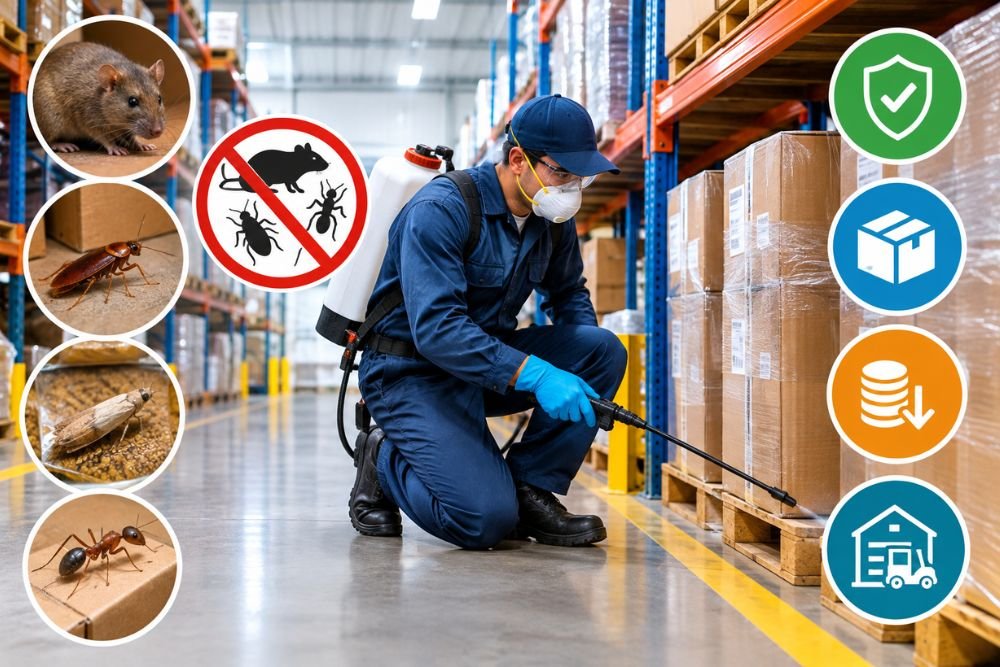
Managing a warehouse involves numerous responsibilities, but one crucial and often overlooked aspect is pest management. As a storage facility manager, you realize that safeguarding your inventory and property from pest invasions is vital. Effective pest control not only ensures the safety and quality of stored goods but also protects your financial investment and maintains a healthy environment for your personnel. Ignoring this important aspect can lead to dire consequences, ranging from financial losses to severe health issues. Therefore, understanding and implementing comprehensive pest management strategies is essential for running a successful and secure warehouse operation.
Understanding the Risks of Warehouse Infestations
In the storage facility environment, infestations pose significant risks that can disrupt your operations and compromise stored goods. Various factors contribute to these risks, including the size of the warehouse, types of goods stored, and geographical location. Rodents, insects, and birds can easily enter and thrive in these environments.
Warehouse infestations can lead to serious issues such as contamination of goods, damage to infrastructure, and interference with equipment operation. Furthermore, infestations often go unnoticed until they have already caused considerable damage, making it pivotal for you to remain vigilant and proactive in your pest management efforts.
Key Pests to Watch for in Storage Facilities
To effectively tackle warehouse infestations, you must first be familiar with the types of pests you may encounter in storage facilities. Identifying these pests early can help you implement targeted control measures and prevent escalation.
- Rodents: Mice and rats are notorious for infiltrating warehouses. They contaminate food products, damage goods, and pose serious health risks through the transmission of diseases.
- Insects: Beetles, moths, and weevils can infest stored grains and other food products, causing contamination and product loss.
- Birds: Pigeons and sparrows may find their way indoors, creating nests and leaving droppings that contaminate goods and surfaces.
Recognizing the signs of these pests early on, such as droppings, gnaw marks, and sightings, is crucial for effective infestation control in your warehouse.
Financial Implications of Poor Pest Management
Poor pest management can have significant financial repercussions for your warehouse operations. Infestations can lead to direct losses by damaging stored goods, resulting in unsellable products and decreased inventory value. Contaminated products may also result in recalls, adding to financial losses.
Additionally, addressing severe infestations often incurs high costs in extermination services and repairs to property and infrastructure. By investing in thorough pest prevention measures upfront, you can avoid costly interventions and uphold the financial integrity of your operation.
Health and Safety Concerns for Warehouse Personnel
The health and safety of your warehouse personnel should always be a priority. Pest infestations can lead to unsanitary working conditions, posing health risks to your staff. Rodents and insects are carriers of various diseases that can spread quickly in a warehouse environment.
Beyond health issues, pest infestations can create hazardous working conditions by damaging electrical wiring, which increases the risk of fires, or by contaminating workspaces. Maintaining a pest-free environment is integral to ensuring the well-being of your employees and preventing potential accidents or health issues on the job.
Essential Pest Prevention Strategies
As a warehouse manager, adopting proactive pest prevention strategies is your first line of defense against infestations. Implementing effective measures can significantly reduce the risk of pest entry and proliferation within your facility.
- Regular Inspections: Conduct frequent checks for signs of pest activity, focusing on potential entry points, stored product conditions, and storage practices.
- Sealing Entry Points: Ensure doors, windows, and vents are properly sealed to prevent pests from entering your warehouse.
- Sanitation: Maintain cleanliness by promptly cleaning spills, disposing of garbage, and organizing storage areas to minimize pest attraction.
Implementing an Integrated Pest Management Plan
Integrated Pest Management (IPM) is a comprehensive approach that combines multiple strategies to effectively manage and prevent infestations. An IPM plan strengthens pest control efforts while supporting long-term protection.
- Monitoring: Establish regular surveillance to detect pest presence early and evaluate the effectiveness of control measures.
- Biological Controls: Utilize natural predators and parasites to control pest populations, reducing reliance on chemical treatments.
- Preventive Measures: Focus on preventing pest access and eliminating sources of food and shelter within the facility.
Each component of the IPM plan plays a crucial role in achieving and maintaining a pest-free warehouse, emphasizing environmentally friendly and sustainable practices.
Partnering with Professional Pest Control Services
While internal efforts are essential, partnering with professional pest control services can provide an added layer of protection for your warehouse. These experts have the knowledge, experience, and tools to manage complex infestations effectively.
Professional services can perform comprehensive inspections, develop customized treatment plans, and provide ongoing monitoring and maintenance. By entrusting these experts with your pest management needs, you free your time and resources to focus on other critical aspects of your warehouse operations.
In conclusion, effective pest management is an indispensable aspect of operating a successful warehouse. By understanding the risks, implementing preventive strategies, adopting an integrated pest management plan, and collaborating with professional services, you ensure the protection and longevity of your storage facility. Prioritizing pest control not only safeguards your financial investments, but also creates a safe and healthy environment for your personnel, maintaining the overall integrity of your operations.
Frequently Asked Questions (FAQs)
1. Why is pest management important for warehouses?
Pest management helps protect stored goods, prevent contamination and property damage, reduce health risks, and maintain smooth warehouse operations.
2. What are the most common pests found in warehouses?
Common warehouse pests include rats, mice, beetles, moths, weevils, pigeons, and sparrows. The specific pests may vary depending on the goods stored and the warehouse environment.
3. How can warehouses prevent pest infestations?
Regular inspections, proper sanitation, sealing entry points, correct storage practices, and prompt removal of waste can help reduce the risk of pest infestations.
4. What is Integrated Pest Management (IPM) for warehouses?
IPM is a pest management approach that combines monitoring, preventive measures, and targeted control methods to manage pests effectively while reducing unnecessary chemical use.
5. When should a warehouse hire professional pest control services?
Professional pest control services should be considered when there are signs of an infestation, recurring pest problems, or when regular monitoring and prevention measures are not enough to control the issue.