
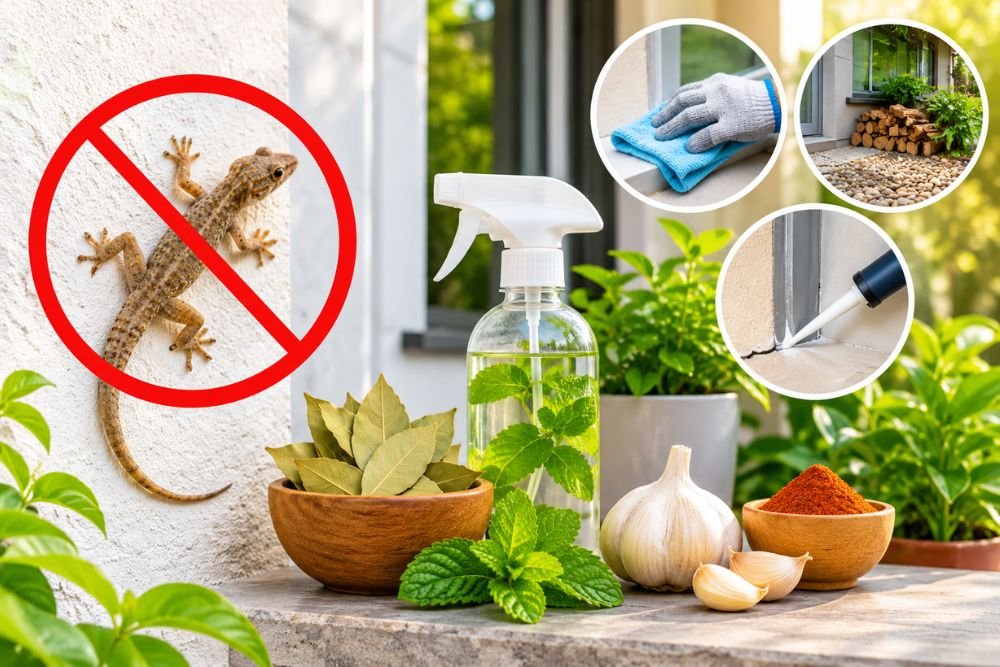
Encountering lizards inside your home can be unpleasant, even though they are generally harmless and beneficial in controlling insect populations. Their presence may still be a concern, especially when they frequently appear in living areas, kitchens, or bedrooms. Understanding what attracts lizards indoors is the first step towards keeping them away.
Understanding Why Lizards Enter Your Home
Lizards often enter homes in search of food, shelter, and suitable living conditions. They thrive in warm, humid environments where insects such as flies, ants, and spiders are abundant. Gaps beneath doors, open windows, and cracks in walls provide easy entry points, while dark, undisturbed spaces such as basements, attics, and cupboards offer convenient hiding places. As temperature drops outside, lizards might move indoors for a warmer shelter area. Understanding these factors can help homeowners take effective preventive measures.
DIY Lizard Repellents You Can Use
If you prefer to manage lizards without using chemical repellents, there are several simple DIY methods you can try at home. Several household ingredients such as eggshells, garlic, and onions are commonly used as natural lizard deterrents because of their strong smells. However, there is limited scientific evidence that these remedies effectively repel lizards. Homemade pepper sprays may irritate, while tobacco-based mixtures can be toxic to children and pets and should be avoided.
For effective lizard control for homes, it is important to address the factors that attract lizards indoors. Seal cracks and gaps around doors and windows, install insect screens, reduce unnecessary outdoor lighting, and keep your home clean and free of food waste. Controlling insect populations and removing clutter can also discourage lizards from entering indoors. These natural methods are not only cost-effective but also safe for homes with pets and children.
Essential Home Maintenance Tips
Regular home maintenance is one of the best lizard control methods, as it helps reduce entry points, hiding places, and conditions that attract lizards indoors. Focus on areas that are often overlooked, such as spaces behind furniture, storage rooms, ceiling corners, and utility spaces. Regular inspections can help identify potential hiding spots and signs of insect activity before they become a concern. Fixing damaged window screens, ensuring proper ventilation, and keeping storage spaces tidy can make your home less appealing to lizards.
Implementing Natural Lizard Control Methods
For those who prefer chemical-free lizard control methods, several natural approaches can be implemented to manage lizard populations. Plants with strong aromas such as peppermint and eucalyptus, along with diluted vinegar sprays, are sometimes used as household deterrents. Essential oils such as lemongrass and tea tree are also commonly suggested, but they may cause irritation and pose risks to pets.
Managing moisture is another effective way to make your home less attractive to lizards. Fix leaking taps, avoid standing water, and keep damp areas dry. Proper ventilation and regularly trimming plants near entrances can also help reduce hiding spots. These simple, eco-friendly practices can reduce the chances of lizards entering your home without relying on harmful chemicals.
Choosing the Best Lizard Repellent Products
When natural methods aren’t enough, commercial lizard repellent products may offer a stronger line of defence. Lizard repellent sprays are available with various ingredients, including plant-based oils and chemical formulations, although their effectiveness can vary. Ultrasonic pest repellers are also available on the market, which discourage lizards by emitting sounds that are undetectable by human ears.
Before choosing a product, assess the severity of the problem and whether it is suitable for indoor use. Always check product labels, safety instructions, and potential risks to children and pets. If the problem persists, seek the help of a professional pest control service for safer and more effective solutions.
When to Seek Professional Lizard Removal Services
Professional lizard removal services might become necessary, especially in situations where the infestation is widespread or DIY methods fail to deliver results. Professionals can offer advanced solutions and insights into effective lizard control. Frequent sightings of lizards despite control efforts, large infestation in the indoors, or difficulty locating and securing entry points may indicate the need for expert assistance. Professional house lizard removal services can offer practical solutions to manage these problems safely and effectively.
Pest control specialists can assess the situation, identify possible entry routes, and recommend suitable measures to manage lizards safely. They may also suggest preventive measures based on the property’s condition and surrounding environment. Seeking professional assistance can help address recurring problems and provide long-term protection from infestation problems.
Long-term Strategies for Effective Lizard Control
Preventing lizards from returning requires consistent attention to your home’s condition and surrounding environment. Regularly inspect your property for gaps, damaged fittings, or other areas that could provide access or shelter. Maintaining your garden and avoiding the accumulation of unused items from the exterior walls can help make the surroundings less attractive to lizards.
It is also important to monitor insect populations and take timely action before they become widespread. Understanding the habits of common lizard species in your area helps you choose appropriate preventive measures. By including these simple practices in your regular home maintenance routine, you can prevent recurring lizard problems and maintain a more comfortable living environment over time.
Conclusion
Effective lizard control begins with understanding what attracts them into your home and taking steps to prevent their entry. Sealing gaps, controlling insects, maintaining cleanliness, and reducing hiding places can help minimise lizard activity. While natural methods and commercial repellents may offer an additional line of defence, professional assistance can be useful for persistent problems. Regular home maintenance, timely preventive measures, and strategic long-term planning are essential for effective lizard control. Whether you choose natural remedies or commercial products, the aim is to reduce lizard activity and maintain a clean, safe, and comfortable living environment.
Frequently Asked Questions
1. How can I get rid of lizards at home naturally?
Plants with strong aromas such as peppermint and eucalyptus can be used as household deterrents. You can adopt practices like sealing entry points, reducing insect activity, decluttering, and keeping your home clean. Maintaining dry, well-ventilated spaces and limiting unnecessary outdoor lighting can also make your home less attractive to lizards.
2. What attracts lizards into a house?
Lizards are mainly attracted to homes that provide food, shelter, and suitable living conditions. Cracks, gaps, and undisturbed spaces inside the house provide them with convenient hiding places.
3. Does natural lizard repellent actually work?
Natural remedies such as garlic, onion, peppermint, and vinegar are commonly suggested for repelling lizards. However, there is limited scientific evidence supporting their effectiveness. Preventive measures like closing gaps and managing insect populations generally offer more reliable results.
4. What is the most effective way to prevent lizards from entering a home?
The most effective approach is to block potential entry points by sealing cracks, installing window screens, and securing gaps beneath doors. Regular cleaning, insect control, and reducing hiding places can further discourage lizards from entering.
5. When should I consider professional lizard control services?
Professional lizard control services might become necessary, especially in situations where the infestation is widespread, or DIY methods fail to deliver results. Pest control specialists can identify entry points, assess the causes, and recommend suitable long-term solutions.