The sudden presence of wasps or hornets around your home can be quite disturbing, especially when they begin nesting near outdoor living areas. Wasps and hornets are known for their painful stings and can pose safety risks if allowed to build nests unchecked. Taking preventive measures is critical to minimize their presence and protect your property. It’s essential to understand their behaviour, recognize their potential hiding spots, and adopt strategies for wasp and hornet control.
Understanding the Threat of Wasps and Hornets
Although both wasps and hornets are beneficial insects in terms of pollination and natural pest control, their presence near homes can pose significant threats. Wasps tend to be more aggressive and will sting when they feel threatened, while hornets, belonging to the wasp family, also deliver painful stings and are protective of their nests.
Understanding the behaviors and characteristics of these insects is crucial for effective pest control. Wasps and hornets generally become more aggressive towards late summer, which increases the risk of getting stung. Their nests are usually found under roof eaves, in attics, or in underground spaces. Certain species may develop large colonies by late summer.
Recognizing Early Signs of Nesting Activity
Early detection of wasp and hornet nests can help prevent the establishment of colonies and reduce potential safety risks. One of the earliest signs of nesting activity is spotting individual wasps searching for suitable nesting sites.
To effectively manage pest threats, look for these early signs:
- Increased Wasp Activity: Noticing an unusual increase in wasp activity can indicate the presence of a nearby nest, often in its early stages of development.
- Nest Construction: Visible structures under eaves, in trees, or inside sheds and garages may indicate active wasp or hornet activity. Regularly inspect common nesting spots around your home, including soffits, attics, and garden sheds, to identify small nests before they develop into larger issues.
Wasp Deterrent Strategies
Effective wasp deterrent strategies involve creating conditions that discourage their presence. One effective approach is eliminating easy sources of food and water that may attract them.
- Secure Trash: Ensure that all garbage is stored in tightly sealed containers to prevent attracting wasps.
- Limit Outdoor Eating: Clean up food and drink spills immediately to reduce attraction of these insects to outdoor spaces.
Another approach includes the use of decoy nests. Wasps are fiercely territorial, so placing a decoy nest in your garden can deter new colonies from settling there.
Utilizing Insect Repellent Techniques
Repellents provide an extra layer of protection against wasps and hornets by discouraging their presence around your living areas. Various natural and chemical repellents can be employed effectively:
- Natural Repellents: Peppermint oil and vinegar sprays are popular natural alternatives for repelling wasps without using harmful chemicals.
- Chemical Solutions: Commercial insect repellents specifically designed for wasps offer a targeted solution for immediate results.
Incorporating insect repellent techniques within an integrated pest management strategy can significantly reduce encounters with wasps and hornets.
Hornet Nest Prevention Methods
Preventing hornet infestations requires focused methods, especially when dealing with larger, more resilient nests. Regular property inspections play an important role in identifying potential nesting sites. Any visible nests should be addressed immediately by pest control professionals before the colonies grow in size and population.
Key hornet nest prevention methods include:
- Remove Garden Debris: Maintaining a clean and tidy garden helps remove potential nesting sites.
- Seal Entry Points: Properly seal cracks and crevices around your home to eliminate entry points and nesting sites.
Consistently practicing these preventive strategies assists in maintaining a hornet-free home environment, contributing to a safer and more comfortable outdoor environment during warmer months.
Safe Nesting Alternatives for Beneficial Insects
While taking action against wasps and hornets, it’s equally important to protect other beneficial insects that play vital roles in the ecosystem. You can create safe alternatives for these species with careful planning:
- Install Bee Hotels: Create small nesting spaces for non-aggressive pollinators, away from your living areas.
- Plant Pollinator-Friendly Flowers: Grow pollinator-friendly flowers that attract beneficial insects to encourage them to gather in designated spaces.
These alternatives not only protect your family but also contribute to biodiversity and promote the natural insect control functions of beneficial insects.
Engaging Professional Pest Control Services
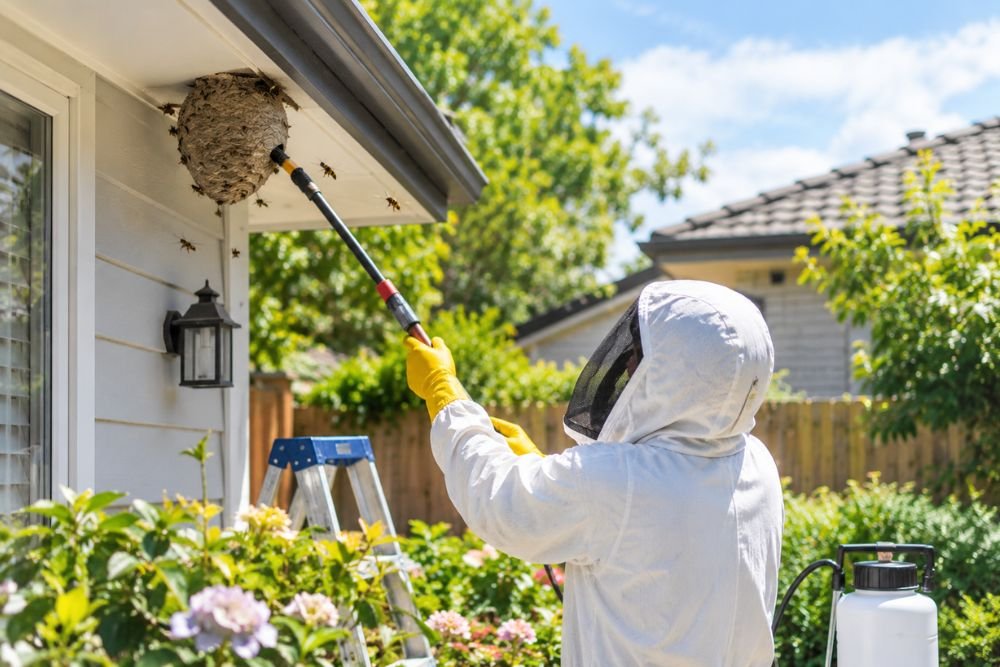
For serious infestations or when DIY methods are ineffective, seeking professional pest control services provides an efficient solution. Professionals bring expertise and specialized equipment to safely remove wasp and hornet nests.
The benefits of hiring pest control experts include:
- Expert Evaluation: They evaluate your property to identify potential risks and nests that may be difficult to detect without professional expertise.
- Safe and Effective Treatment: Professionals utilize safe methods to effectively remove nests while minimizing environmental impact.
Seeking professional help ensures peace of mind and long-term pest control, reducing the risk of recurring nests and maintaining a healthier environment.
Conclusion
Preventing wasps and hornets from nesting around your home requires regular inspection and effective prevention strategies. From recognizing early signs of nesting to seeking professional pest control services, each step plays a critical role in keeping your home safe and protected. By adopting eco-friendly methods and protecting beneficial insects, you contribute positively to the balance of ecosystems while staying protected from wasp and hornet threats.
Frequently Asked Questions
1. What attracts wasps and hornets to your home?
Wasps and hornets are mainly attracted to food sources, sugary drinks, and exposed garbage, and they normally choose such spaces for nesting. Keeping outdoor spaces clean, tightly sealing rubbish bins, and properly disposing of food waste can help discourage their presence around your property.
2. How can I prevent wasps and hornets from building nests around my house?
Regularly inspect areas such as roof eaves, attics, sheds, and wall openings for early signs of nesting. Bolt possible entry points, maintain outdoor cleanliness, and declutter to prevent wasps and hornets from building nests around your house
3. What are the early signs of a wasp or hornet nest?
Early signs of a wasp or hornet nest include increased insect activity around specific areas, wasps repeatedly entering and exiting small openings, and visible nest structures. Identifying these signs early allows you to take appropriate preventive measures before the colony grows in size.
4. Are natural repellents effective against wasps and hornets?
Some natural repellents, including peppermint oil, may keep away wasps and hornets for a short period of time. Regular cleaning of surroundings, sealing potential entry points, and removing food or other sources that attract these insects are generally more reliable preventive measures.
5. When should I hire professional pest control services for wasps and hornets?
Hiring Professional pest control services is usually recommended when wasp or hornet nests are large, difficult to access, or located near frequently used areas. Expert technicians can assess the infestation, safely remove nests, and suggest effective measures to reduce the chances of future nesting.
6. How often should I inspect my property for wasp and hornet nests?
Regularly inspecting your property during warmer months can help identify nesting activity before an infestation develops. Pay particular attention to roof spaces, garages, sheds, and sheltered outdoor areas where wasps and hornets commonly build nests.