
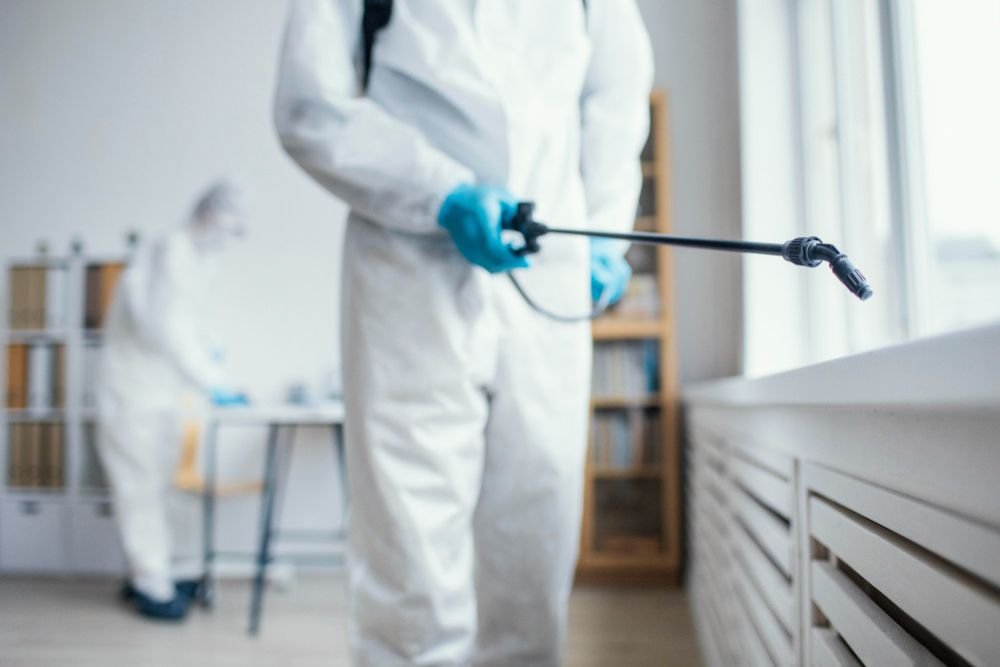
Whether you are a homeowner, a business owner, or a property manager, managing insect populations is essential for maintaining a healthy and safe environment. Insect control plays a vital role in maintaining hygiene and comfort while safeguarding health and preventing costly property damage through effective pest management for insects. With the growing demand for efficient and sustainable solutions, insect control services have become essential for managing infestations safely and effectively. This article provides a clear overview of insect control, highlighting professional and eco-friendly approaches while helping you choose the right solution for long-term protection.
Insect Control Explained
Insect control refers to a wide range of strategies and techniques used in professional insect control services to manage, reduce, or eliminate insect populations that threaten human habitats and activities. The need for insect control arises from the diverse roles insects play, many of which are beneficial, while others can be detrimental to human interests.
The primary goal of insect control is to minimize the impact of harmful insects while preserving the beneficial species crucial for ecosystem balance. Insects such as mosquitoes, termites, beetles, and ants can cause significant damage to property, spread diseases, and harm crops. As a result, homes, farms, and businesses rely on structured pest management for insects to effectively regulate these unwelcome visitors.
The effectiveness of insect control relies heavily on proper identification of the insect species involved, understanding their life cycle, and employing appropriate control measures. This comprehensive approach ensures that control measures are not only effective but also sustainable and safe for the environment.
The Importance of Insect Control
The significance of insect control extends beyond mere comfort and aesthetics. It directly impacts health, safety, and financial stability. Without effective insect control services, the consequences can be far-reaching, affecting health, safety, and property.
Insect control is vital in preventing the spread of diseases. Mosquitoes, for example, are known vectors of malaria, dengue fever, and Zika virus. By controlling mosquito populations, you significantly reduce the risk of these diseases spreading. Similarly, controlling bedbugs and lice can prevent skin conditions and transmit bacterial infections.
The economic implications of inadequate pest management for insects are substantial, particularly for homes, commercial spaces, and agricultural settings. Termites alone cause billions of dollars in structural damage annually, while crop damage due to insect infestations can result in significant losses for farmers and escalate food prices.
- Health Protection: Effective insect control minimizes disease transmission by reducing insect vectors.
- Economic Savings: Preventing property damage and crop loss saves money and resources.
- Environmental Safety: Preserving beneficial insects aids in maintaining ecological balance.
Common Methods of Insect Control
Insect control can be achieved through various methods used in professional pest control services, each suited for different infestation levels and environments. The choice often depends on the severity of the infestation, the type of insects involved, and environmental considerations.
Common methods used in structured pest management for insects include chemical, biological, and mechanical control techniques. Chemical controls involve using insecticides and repellents to eliminate insect populations. While effective, these methods can have detrimental environmental effects if overused or misapplied. Thus, it’s crucial to follow guidelines for their safe use.
Biological control methods leverage natural predators or pathogens to manage insect populations. For instance, releasing ladybugs in gardens can help control aphid populations naturally without using chemicals.
Mechanical methods include traps, barriers, and physical removal of insects. Traps can be effective for monitoring and reducing populations of specific insects like cockroaches or fruit flies.
Professional Insect Control Services
When facing persistent or large-scale infestations, relying on professional insect control services becomes essential for safe and effective results. These services offer expert knowledge, specialized tools, and effective treatment plans tailored to your specific needs.
Professional exterminators are trained to identify and assess infestations accurately, ensuring the right solutions are applied efficiently. Moreover, they often have access to stronger and more effective products not available to the general public.
Additionally, professional services often provide ongoing monitoring and preventive measures, forming a reliable pest management for insects approach that supports long-term control and prevents future infestations. They also adhere to safety standards and regulations, reducing potential health and environmental risks.
- Expertise: Professionals can accurately identify and treat a wide range of issues.
- Advanced Treatments: Access to effective and specialized control products and methods.
- Ongoing Support: Continued monitoring and prevention strategies ensure lasting results.
Eco-Friendly Insect Control
As environmental awareness grows, the demand for eco-friendly insect control services has increased significantly. These methods prioritize reducing ecological impact and preserving beneficial insect populations while still effectively managing pest insects.
Sustainable insect control involves using natural repellents, plant oils, or biological controls like predators and pathogens. For instance, neem oil is a popular natural pesticide that targets various harmful insects while being safe for humans and pets.
Integrated Pest Management (IPM) is a proven pest management approach for insects approach that combines multiple strategies to minimize chemical use. IPM involves careful monitoring of insect populations, encouraging natural predators, and employing mechanical controls when necessary. This holistic method not only addresses the immediate issue but also promotes long-term environmental health.
Choosing Pest Management for Insects
Selecting the right approach often involves choosing suitable insect control services based on the specific insect issue, budget, and environmental concerns. It’s important to consider both effectiveness and sustainability when making your choice.
Start by accurately identifying the insect problem. Different insects require different control methods, and incorrect identification can lead to wasted time and resources. Once identified, consider the severity of the infestation and the potential damage.
Weighing eco-friendly options against traditional methods is crucial for reducing environmental harm. Choose a strategy that aligns with your values and priorities, ensuring that you’re not compromising the health of your surroundings in the long term.
- Identify the Pest: Accurate identification is crucial for effective management.
- Assess Infestation Severity: Determine the scale to choose the appropriate method.
- Consider Sustainability: Opt for methods that align with environmental conservation goals.
Maintaining Long-term Insect Control
Achieving lasting insect control often requires a combination of preventive measures and reliable insect control services. Regular monitoring and preventative measures are essential in keeping insect populations under control and avoiding future infestations.
One approach is routine inspections, which involve checking for signs of infestation or structural vulnerabilities that could attract insects. Incorporating preventive strategies like sealing entry points, maintaining cleanliness, and using natural repellents can significantly reduce the likelihood of infestations.
- Regular Inspections: Frequent checks for signs of infestation help catch problems early.
- Preventive Measures: Implement strategies to reduce insect attractions and entry points.
- Adaptive Strategies: Update control plans as needed to address emerging issues.
In conclusion, the significance of insect control is undeniable, playing a critical role in protecting health, preserving property, and maintaining ecological balance. By understanding the methods outlined above and choosing the right pest management for insects, you can effectively address infestations while ensuring minimal environmental impact. Whether opting for professional services or employing eco-friendly strategies, the key is to stay proactive and adaptable to maintain a healthy, pest-free environment.